
London’s Michelin-Starred Restaurants: The Complete 2025 Guide for Serious Diners

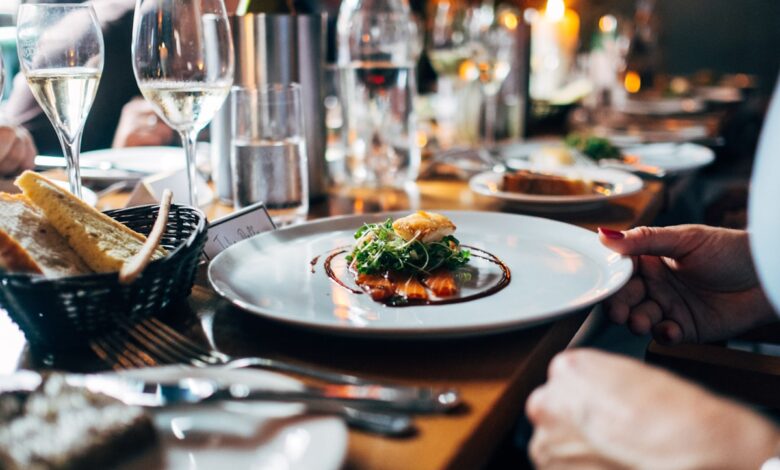
London’s Constellation of Stars: The New Michelin Map
London now holds more Michelin stars than any city outside France, with 72 starred restaurants across the capital as of the 2025 guide. The concentration of culinary talent — drawn from every corner of the world — has transformed London from a city once mocked for its food into the most exciting dining destination on earth. Understanding the landscape is essential for anyone seeking to navigate it intelligently.
The Three-Star Experience: What to Expect and How to Book
London’s three-star restaurants represent the apex of global gastronomy. A reservation at any of them is among the most difficult to secure in the hospitality world — and understanding the booking mechanics is the difference between dining and perpetual disappointment. Most operate a rolling reservation window of 28–60 days, releasing tables at midnight on the opening date. For the most competitive rooms, a reservation service or concierge with an existing relationship is worth every penny of their fee.
- Alain Ducasse at The Dorchester: The only London restaurant to hold three stars continuously since 2010; tasting menu from £295; jacket required; reserve via their dedicated booking line 90 days before dining
- Core by Clare Smyth: Britain’s only female chef with three stars; produce-driven British tasting menu from £350; Notting Hill; the prestige booking of the capital for 2025
- The Fat Duck (Bray): Technically outside London but within 45 minutes; Heston Blumenthal’s theatre of gastronomy at £350 per head; worth the journey for a once-in-a-decade meal
- Gordon Ramsay (Royal Hospital Road): The original London three-star; classic French technique; lunch menus from £175 offering exceptional value at this level
The Two-Star Circuit: Ambition Without the Impossible Booking
London’s two-star restaurants represent a more accessible entry point into serious fine dining without sacrificing culinary ambition. Many are helmed by chefs who trained under three-star institutions and are producing food of equal or greater interest. The booking window is typically 30–45 days and, for most, a reservation within a week is possible if you are flexible on time.
- Sketch (The Lecture Room): Mayfair; Pierre Gagnaire’s culinary vision executed with precision; the tasting menu at £195 is London’s finest value at two-star level; the gallery dining room is equally spectacular
- Dinner by Heston Blumenthal: Mandarin Oriental Hyde Park; historical British cuisine reimagined; meat fruit remains the most photographed dish in London; lunch menu from £75
- The Ritz Restaurant: The dining room itself is among the finest in Europe; classic French menu executed with contemporary precision; dress code strictly enforced; Sunday lunch at £82 is exceptional
- Hélène Darroze at The Connaught: The Connaught’s principal restaurant; seasonal tasting menus reflecting Darroze’s Gascon heritage; one of London’s great wine lists
The Intelligent One-Star: Value, Creativity and the Cult of the Neighbourhood Restaurant
London’s one-star tier is where the city’s culinary creativity is most vividly expressed. Chefs freed from the commercial pressures of large hotel dining rooms are producing food of genuine individuality at price points — from £75 to £150 for a tasting menu — that represent serious value against their European equivalents. The city’s most interesting one-star restaurants are predominantly found outside the traditional luxury postcodes.
- Brat (Shoreditch): Tomos Parry’s Basque-influenced cooking over fire; whole turbot on the bone is perhaps the single best dish in London; lunch walk-ins usually available Tuesday–Thursday
- Ikoyi (St James’s): Jeremy Chan’s West African-inflected tasting menu; £175 per head; the most original cooking in London; wine list focuses on natural producers with genuine rationale
- Studio Frantzén (Harrods): Björn Frantzén’s London outpost; hybrid Nordic-Japanese cooking; seated above Harrods; the omakase format at £295 is among London’s great special-occasion options
- Cornerstone (Hackney Wick): Tom Brown’s seafood-focused restaurant; counter dining; tasting menu from £95; the best argument for east London as London’s dining frontier
The Sommelier’s London: Wine Lists Worth the Journey
London’s finest restaurants have assembled wine lists that are, in several cases, unmatched outside the great cellars of Burgundy and Bordeaux. The Connaught, The Ritz, Gordon Ramsay and Sketch all maintain lists of 1,000+ bins with significant cellar depth. For the serious wine traveller, London offers access to vintages and producers that are genuinely unavailable outside the auction market. Seek out the sommelier before the meal — not to be guided, but to discuss the list as equals. The best sommeliers in London are among the most knowledgeable professionals in their field globally, and a conversation will unlock allocations and library wines not on the printed list.
Booking Strategies for the Impossible Reservation
- Cancellation monitoring: Resy, OpenTable and the restaurants’ own websites release cancellations in real time; check at 9–10am on weekdays when business lunches are cancelled
- Concierge relationships: Five-star hotel concierges at The Connaught, Claridge’s and The Berkeley maintain reciprocal arrangements with the best restaurants; this benefit alone justifies a hotel stay in many cases
- Counter and bar seating: Many Michelin-starred restaurants reserve counter seats not released online; call the restaurant directly and ask specifically about bar or pass seating
- Off-peak timing: Sunday lunch and Tuesday dinner are the least competitive slots at most top London restaurants; the food is identical, the atmosphere often superior
